
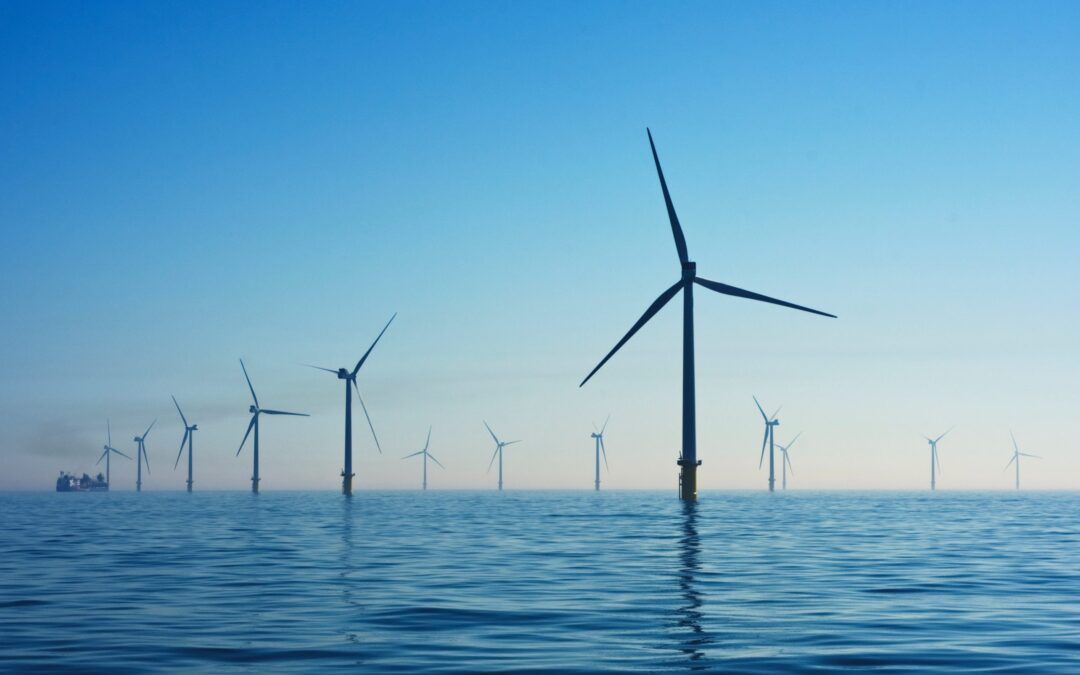
In the first half of 2025, renewable energy produced more energy than coal globally, for the first time ever! The renewable energy sources considered in this data were wind, solar, hydro, bioenergy, and geothermal among others. In fact, solar alone now has the largest energy capacity in the world, beating out coal for that as well. The growth of solar and wind capacity installation and energy production has for the first time matched pace with the growing energy demand in the global market.
Solar is cheaper and more prolific than ever. The Netherlands and Germany are among those who have had the most stark growth in solar capacity and production in the past few years, with Hungary at the top of solar energy producers, with it making up almost 30% of the country’s energy production. These European countries share latitudes with much of Canada, experiencing a similar weather pattern and sun exposure, showing that Canada can benefit from higher investments in solar power.
Several projections indicate that for Canada to have clean energy grid by 2050, wind will need to make up much of the supply, second to the already prolific hydropower. Canada’s geography and population density would allow for an extensive wind farm network.
In New Brunswick, several small-scale wind farms have been approved and are in the works. In early October 2025, the 25 MW wind farm Neweg Energy Project had its grand opening, although the turbines have been operational since February 2025. Four other projects have been approved through federal funding, combining to make 452 MW of power being added to the grid. (Source: NB Power)
Your Voice Can Make Change
Let’s protect our lung health and air quality by stopping all investments in fossil fuel and biomass burning. Sign our petition today.