We know there is a direct link between air pollution and preventable death in New Brunswick. Lung cancer is the leading cause of preventable death in the province, chronic obstructive pulmonary disease (COPD) ranks third, and one in five New Brunswickers lives with a lung health condition. Air pollution worsens symptoms, increases hospitalizations, and directly impacts lives.
From a health perspective, this is not theoretical. Clean air is preventative care.
That is why NB Lung opposes the expansion of fossil fuel infrastructure. Adding new sources of air pollution places people already living with lung disease—and those at higher risk, including seniors, children, and people with chronic illness—at unnecessary and avoidable risk.
We are not alone in opposing new fuel-burning infrastructure.
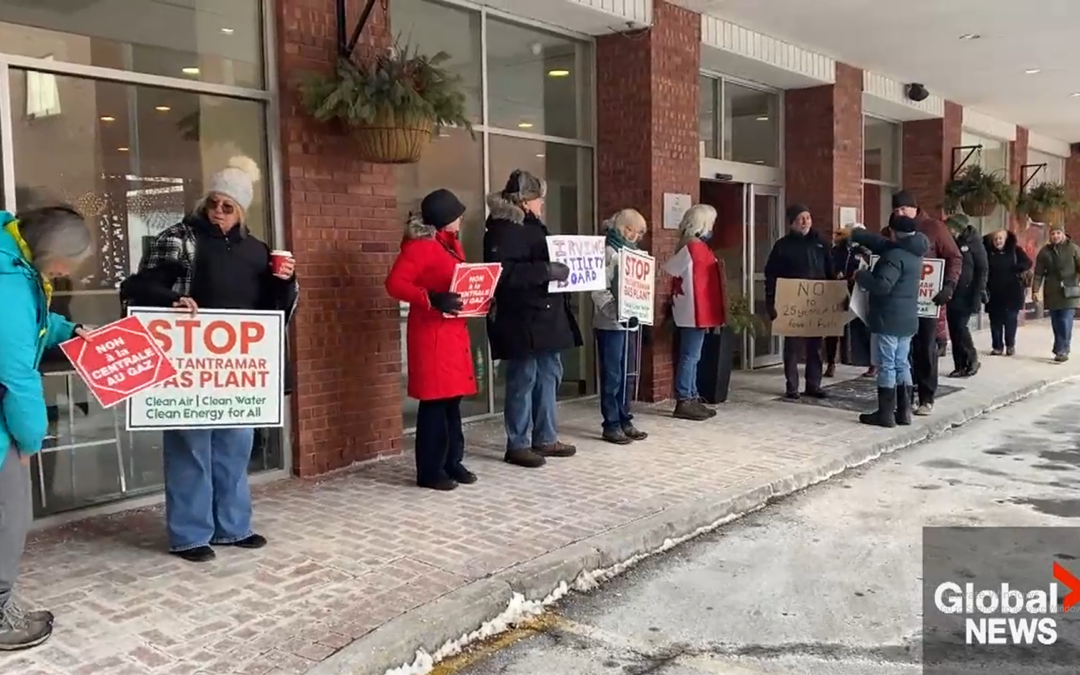
Despite suggestions that opposition is localized or driven by narrow interests, resistance to fossil fuel expansion reflects a broad, province-wide concern. Moving a project a few kilometres down the road does not resolve the underlying issue: air pollution does not respect municipal boundaries, and the health consequences are felt across New Brunswick.
Opposition is growing because the impacts are real—and because better choices are available. Organizations from across the province are speaking up from their own area of expertise.
What Our Partners are Saying:
Direct impacts on Health & Health Care
Unless we act to phase out fossil fuels, New Brunswickers will continue to suffer the devastating immediate and long-term health impacts of climate change, air pollution, and environmental contamination, which are taking an enormous toll on the province’s already strained health care system.
As New Brunswick physicians and health care providers, we call upon the provincial government and regulators to halt the proposed gas plant in Tantramar and to commit to working with New Brunswickers to find solutions that serve and protect the health and well-being of our population.
– Canadian Association of Physicians for the Environment–New Brunswick (CAPE-NB)
Community Trust & Democratic Legitimacy
New Brunswick citizens were saved from the ravages of fracking by an unprecedented coalition of Indigenous people, Francophones and Anglophones two decades ago. Now when we see climate change in action around the globe, floods, fires, melting ice, NB Power acting as if none of this ever happened suggests an antiquated technology spewing unhealthy emissions built by a US corporation in a nation ruled by a government that is patently anti-renewable and unstable.
– Seniors for Climate Action Now (SCAN), Tantramar
Climate scientists have told us for years that we cannot start any new fossil fuel projects, yet the Tantramar Plant requires a 25 year commitment to burn fracked natural gas and dirty diesel. Its increased greenhouse gases and air pollution will hasten the arrival of irreversible climate tipping points, while degrading our public health.
– Jim Emberger, Spokesperson, New Brunswick Anti-Shale Gas Alliance (NBASGA)
Climate Change & Long-Term Risk
This gas plant puts corporate profit ahead of community health, climate responsibility, and our children’s future. Tantramar deserves solutions that reduce emissions, protect our air and water, and build long-term resilience, not another polluting facility our children will be paying for long after the damage is done.
– Kristen LeBlanc, Stop the Tantramar Gas Plant
Two UN-sponsored resolutions order the end of global warming schemes.
The Tantramar gas-diesel plant is in violation of the July 23, 2025 Advisory Opinion by the International Court of Justice in the Hague, and the 2016 Paris Agreement on climate change signed by Canada. Do not risk the prospect of being sued by law-abiding nations endangered by climate change. –
– Sam Arnold, Coalition for Responsible Energy Development in New Brunswick (CRED-NB), Sustainable Energy Group, Woodstock, N.B.
Share your Air Quality concerns
NB Lung is compiling your stories to bring to decision makers at key moments – Share Yours.
Energy Alternatives
The huge drop in the cost of battery storage systems over the last three years makes storage the most economical solution for handling grid peaks and stability. Gas-fired power plants like the one proposed for Tantramar use inefficient, antiquated technology, which just can’t compete.
– Ann McAllister, Coalition for Responsible Energy Development in New Brunswick (CRED-NB)
Battery storage is proven to be more reliable, cleaner and cheaper and doesn’t need fuel. A gas-fired power plant would constantly depend on gas from a neighbour, which is now irrational to the point of petulance.
Battery storage provides critical energy security. A battery storage unit can respond to grid problems in less than a second, while gas turbines can take up to 10 minutes. That’s one reason why there are over 250 gigawatts (GW) of battery storage in operation globally, and 830 GW more will be added by the end of 2030.
– Tom McLean, Coalition for Responsible Energy Development in New Brunswick (CRED-NB)
Cleaner options exist—and they protect health
From a public health perspective, the conclusion is straightforward: we cannot protect health while expanding sources of air pollution. Other organizations’ additional expertise—on affordability, ecosystems, climate, governance, and energy systems—show that this goes far beyond our health. Together, these perspectives show that opposition to fossil fuel expansion is not narrow, not local, and not ideological.
It is grounded in evidence, rooted in lived experience, and it reflects what New Brunswickers across the province are saying clearly: we deserve better.
The Energy & Utilities Board is hosting public meetings from Monday Feb 9th – Friday Feb 13th in Moncton at the Delta Beausejour, Followed by hearings in Saint John on March 2nd, and in Fredericton from March 9th – 13th, and 16th – 20th.
In this video interview with the Atlantic Wildlife Institute, Jim Emberger helps us navigate these board hearings:
What you can do:
Share Your Story
If air quality has affected your health, or the quality of life of someone you love, your story matters. NB Lung is collecting stories from across the province to ensure decision-makers understand the real human impact of air pollution.
Add your voice
The PCIC (Protect the Chignecto Isthmus Coalition), including community members and organizations are calling for a halt to new fossil fuel projects that threaten air quality and public health in the Tantramar area.
Stay informed.
Major decisions affecting air quality and health are being made now. Paying attention—and sharing accurate information—helps ensure public health stays at the centre of those decisions.