
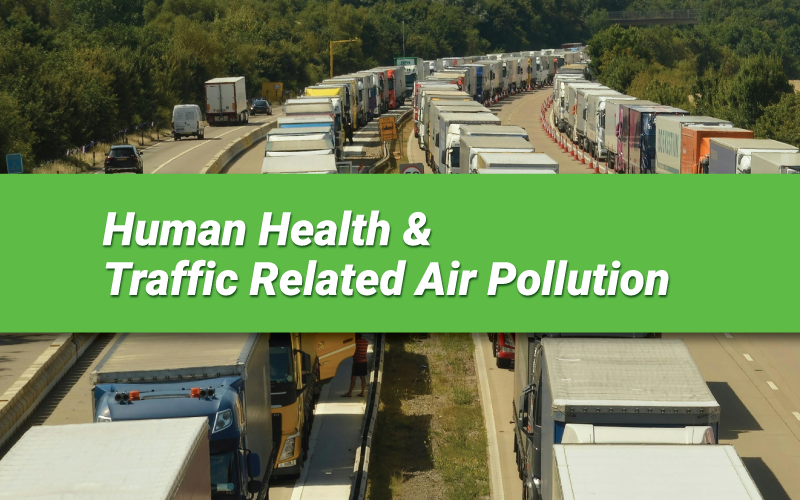
Every year, approximately 1,200 Canadians die prematurely from traffic-related air pollution. Emissions from road traffic are one of the largest sources of air pollution, containing harmful air pollutants including nitrogen oxides, carbon monoxide, and particulate matter.
Children are at an even greater risk of long-term damage because of their more sensitive, still-developing lungs and faster rates of breathing.
Short-Term Exposure
Even short-term exposure to air pollution can aggravate symptoms of existing respiratory conditions like asthma, COPD. This can often like shortness of breath, weakness and exhaustion, wheezing, coughing, and trouble breathing.
Long Term Exposure
Changing Our Priorities
Many of us can choose another option for our commutes and short trips. Public transit, electric vehicles, carpooling, biking, and walking all reduce the exhaust emissions within our communities. When more people adopt healthy transportation, we will have cleaner air, and quieter, healthier neighbourhoods.
Imagine school drop offs that aren’t surrounded by idling diesel trucks and gas cars – instead children being driven by electric school buses or by biking would start their days without breathing in polluted air.
Take Action for Lung Health
NB Lung is championing the electrification of school bus fleets and is looking for your support – Join NB Lung and concerned community members across Atlantic Canada in signing this petition to support electric school buses in your province. https://nblung.ca/advocacy/electric-school-buses/
In 2024, NB Lung partnered with the Ecology Action Centre of Nova Scotia and the Conservation Council of New Brunswick to develop the “Driving Towards a Healthier Future” report. The report shares the health and community benefits of ESBs and the harms that diesel buses are causing to students, bus drivers, and communities. Check it out to read even more details on how tailpipe emissions from regular school buses are impacting our students, and how electric school buses are the solution.